
At Durango Dental, we understand that dental emergencies can be scary, uncomfortable, and disruptive to your everyday life. They can come when you least expect them for a wide variety of reasons, and they can quickly get worse if they are not treated.
Our team offers emergency services so you can access the care you need and promptly get back to feeling your best. Whether you are dealing with dental damage, pain, or discomfort, we are here to help you find answers and quick relief through our emergency dental services in Durango.
What Qualifies as a Dental Emergency?
Though all dental needs are important, dental emergencies differ from regular concerns in severity and urgency. They need to be addressed right away, whereas other concerns can be taken care of during a scheduled appointment months down the road.
Issues such as excessive bleeding, persistent pain, or broken bones require immediate care. If you are facing a less obvious concern and feel unsure about how urgent it is, you can reach out to your dentist to find out your next steps.
In addition to consulting a professional, you can also learn about the most common dental emergencies so that you have a better idea of where your concern stands and what you should do next. These include damaged teeth, toothaches, abscesses, soft tissue injuries, and restoration concerns.

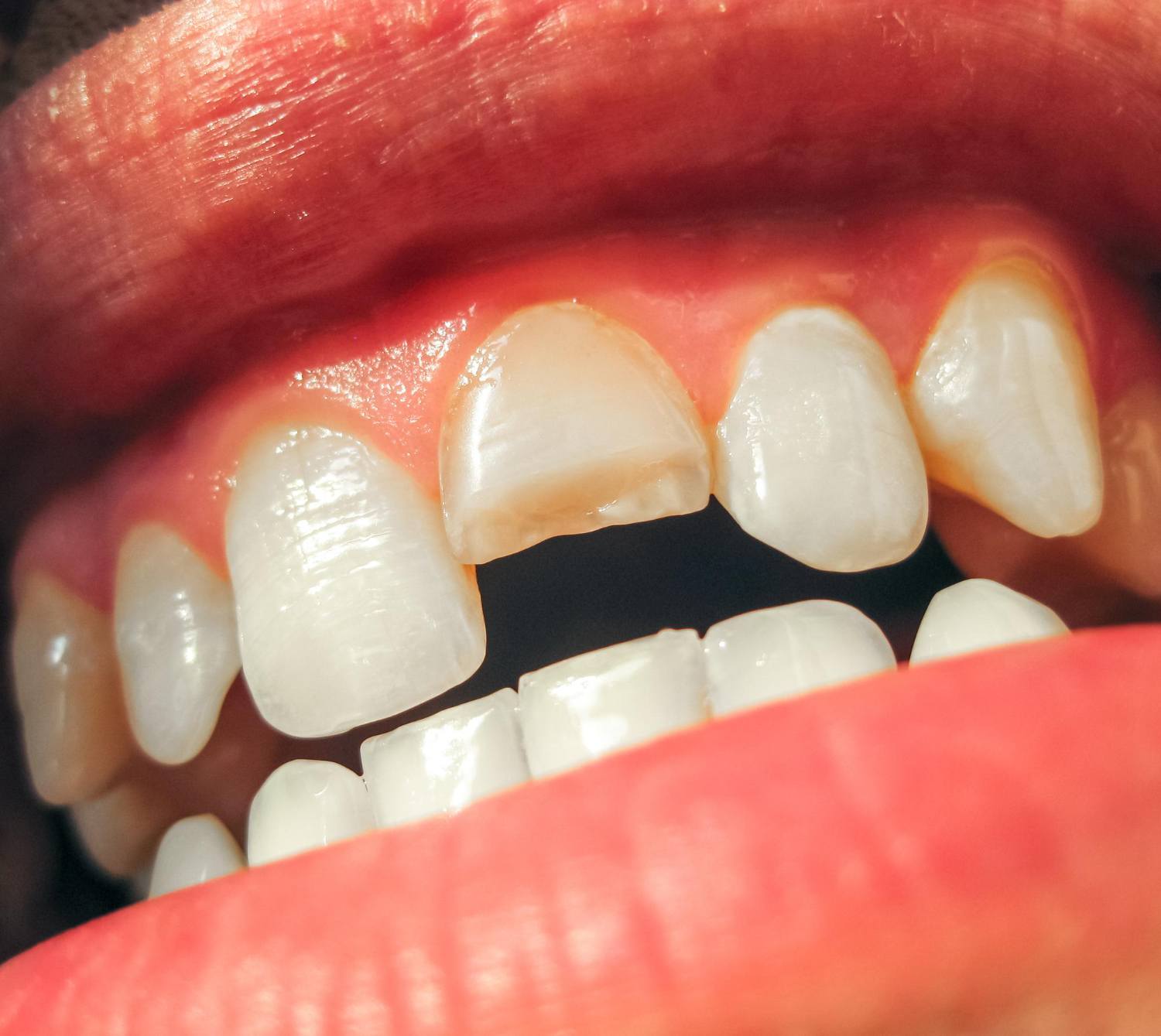
Damaged Teeth
When you have a damaged tooth or teeth, it can make it hard to eat, speak, and smile. Damage usually results from unanticipated accidents, such as getting hit during a contact sport, running into something, falling, or biting into something too hard for your teeth.
You will want to make a dental appointment right away so they can address the damage. There are also things you can do at home to help before your visit.
Cracked teeth
If you crack one or more teeth, try to save any pieces that you can. Rinse them off, and then rinse your mouth with warm water.
When there is bleeding, try using gauze around the area to help and applying a cold compress on the outside near the chipped tooth area. This can help with both pain and swelling.
Dislodged teeth
If you have an extruded tooth, which is also known as a partially dislodged tooth, it is necessary that you see a dentist quickly.
In the meantime, use a cold compress on the outside near the area of the dislodged tooth and take an over-the-counter pain reliever.
Knocked out teeth
When one or more of your teeth get knocked out, it is very important that you find the tooth and gently rinse the root with water, making sure not to scrub it or remove tissue fragments. When you are doing this, you want to make sure to hold it by the crown.
If you can, put it back into the socket, but if you cannot, place it in either a container of milk or water with a touch of salt.
Toothaches
Toothaches can be very painful, and you may struggle to determine their cause. Though tooth decay is the most common cause of toothaches in adults and children, they can stem from a number of different reasons.
Examples of these include:
A split in a filling or tooth
Cavities
Cracks or chips in teeth or tooth roots
Food stuck between your teeth
Genetics
Grinded teeth
Hygiene
Infection
Impacted wisdom teeth
Irritation
Jaw injuries
Mouth injuries
Sinus infections
Swelling
You may not be sure what your toothache is resulting from, which is why seeking dental help is so crucial. They can ask you questions to get to the root cause of your toothache and offer treatment options.
Abscesses
One common dental emergency is abscesses, which are swollen spots or infections around tooth roots or between the gums and teeth.
When abscesses are not treated, the infection can get worse. Swelling may occur around your jaw and face or even spread to other places. If you have an abscess, you should not wait to seek treatment.
Soft Tissues Injuries
Soft tissue injuries are injuries to your lips, cheeks, tongue, and gums that lead to bleeding. Though you most likely should seek care, there are things you can do in order to control the bleeding until you get there.
You will want to rinse your mouth with salt water, apply light pressure with gauze, and hold a cold compress outside your mouth close to the area. In the case that bleeding does not stop, you should go to a dentist.
Restoration Concerns
Another reason to seek emergency care is if you face an issue with dental restorations, such as fillings, crowns, or bridges that break, fall out, or get dislodged.
Depending on what your dentist recommends, you can try temporary means to fill their place until you are able to see them, such as placing sugar-free gum into the cavity or putting a restoration back in place through a safe substance like toothpaste.
Dental Emergency Prevention
While some dental emergencies may be beyond your control, the good news is that many are preventable when you take the right steps, such as wearing a mouth guard and maintaining good oral hygiene.
If you play contact sports, athletic guards are a great way to prevent dental accidents. They can protect you from getting broken teeth, jaw injuries, and mouth injuries. Custom night guards can also prevent damage to your teeth, and they can help you breathe better as well.
Most importantly, you should always prioritize your dental health. Regularly brushing and flossing at home, as well as getting dental cleanings and exams twice a year, can prevent abscesses and toothaches in many cases.
At Durango Dental, we are dedicated to helping you feel better fast. Our emergency dental services in Durango can address your needs comprehensively and quickly.
Whether you need guidance on next steps, advice for what to do until you see us, or an instant appointment, we are here to help. For help addressing a dental emergency, contact us today.